New Tires vs. Used Tires | Woodard’s Smooth Ride Portland TN

Andrew Whited • September 8, 2025

Why You Should Buy New Tires vs. Used Tires


When it comes to tires, the choice between new tires and used tires often comes down to cost. At first glance, buying used tires may seem like a way to save money. But when you look closer at safety, performance, and long-term value, new tires are the smarter investment. At Woodard’s Smooth Ride in Portland, TN, we believe your tires are the most important safety feature on your vehicle — and here’s why choosing new beats used every time.


1. Safety Comes First

Used tires may have hidden damage, uneven wear, or patches from past repairs. Even if the tread looks okay, you can’t always see internal issues like sidewall damage or belt separation. New tires, on the other hand, are guaranteed to meet all manufacturer standards, giving you peace of mind on the road.

SEO tip: New tires provide better braking, grip, and control — especially in wet or emergency situations.


2. Longer Lifespan

A used tire may have 30%–50% of its tread already worn away. That means you’ll be back in the tire shop much sooner than expected. With new tires, you’re getting the full tread life, which often translates to tens of thousands of extra miles. Over time, that makes new tires more cost-effective.


3. Fuel Efficiency

Your tires directly affect your vehicle’s fuel economy. Worn or mismatched used tires create more rolling resistance, which means your car works harder and burns more fuel. New tires are designed to maximize efficiency, saving you money at the pump.


4. Warranty & Road Hazard Coverage

When you buy used tires, you’re usually buying “as-is.” That means no protection if something goes wrong. At Woodard’s Smooth Ride, every new tire purchase comes with warranty coverage, and we also offer our Road Hazard Protection Plan for even greater peace of mind.


5. True Value for Your Money

While the upfront price of used tires might be lower, the long-term value simply isn’t there. Factor in shorter tread life, higher fuel costs, and safety risks, and the savings disappear quickly. New tires are an investment in your safety, your vehicle’s performance, and your wallet.


Final Thoughts

When it comes to choosing between new and used tires, the answer is clear: new tires win every time. At Woodard’s Smooth Ride, we’re committed to keeping Portland drivers safe and confident on the road. Whether you need a single replacement tire or a full set, our team is here to help you find the perfect fit for your vehicle and budget.

By Woodard's Smooth Ride July 12, 2026
Ensure your car's perfect alignment at Woodard's Smooth Ride in Portland, TN. Discover expert tips on wheel alignment. Visit us today!
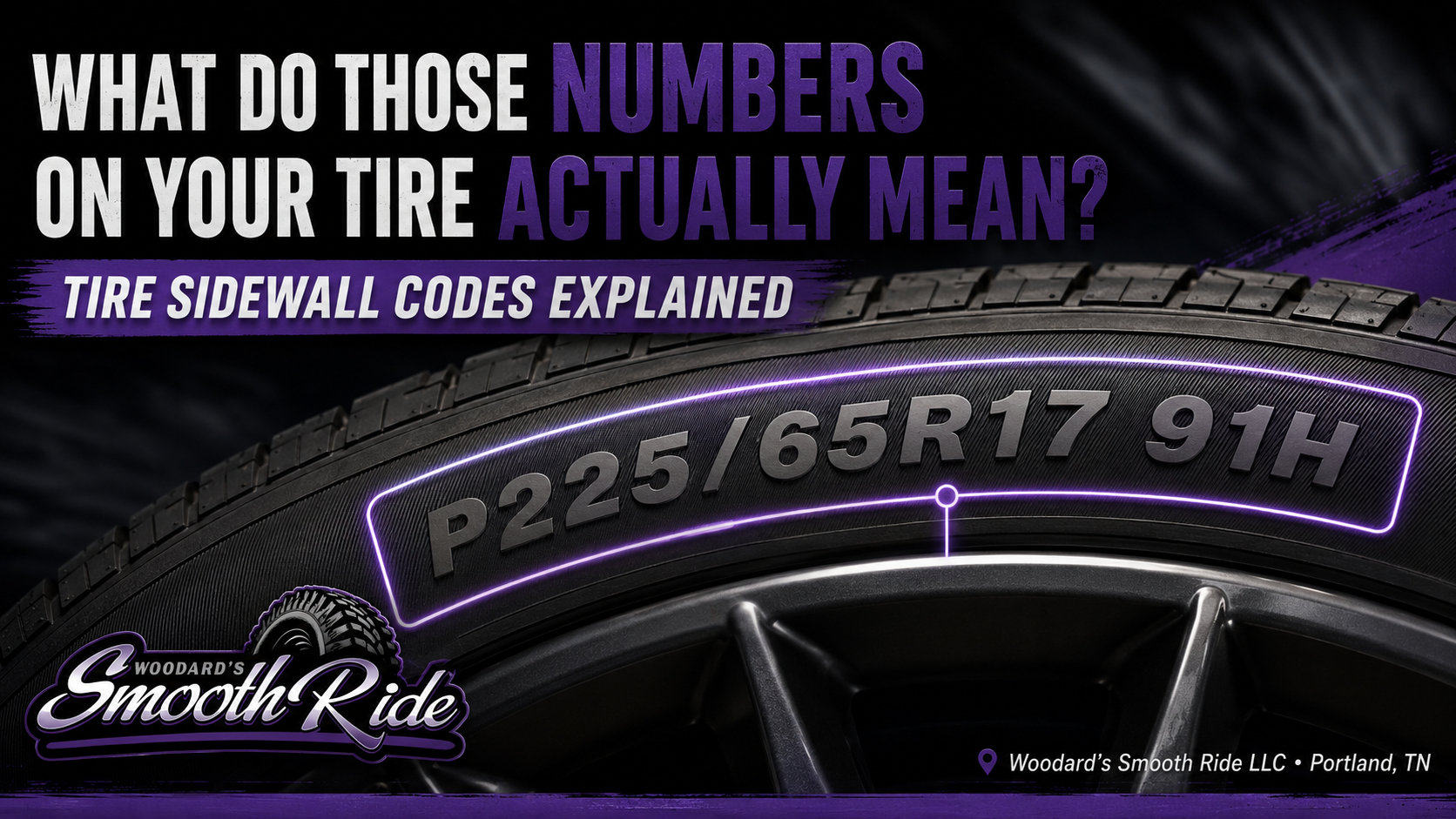
Tire sidewall code P225/65R17 91H explained by Woodard’s Smooth Ride in Portland, TN
By Andrew Whited June 16, 2026
Learn what tire numbers like P225/65R17 91H mean, including tire width, aspect ratio, load index, and speed rating. Woodard’s Smooth Ride in Portland, TN explains how to choose the right tire.
By Woodard's Smooth Ride June 14, 2026
Discover top suspension insights from Woodard's Smooth Ride in Portland, TN. Enhance your vehicle's performance with expert guidance. Visit us today!
By Woodard's Smooth Ride May 17, 2026
Discover expert tire insights at Woodard's Smooth Ride in Portland, TN. Offering top-notch tire services for a smooth drive. Schedule an online appointment now!
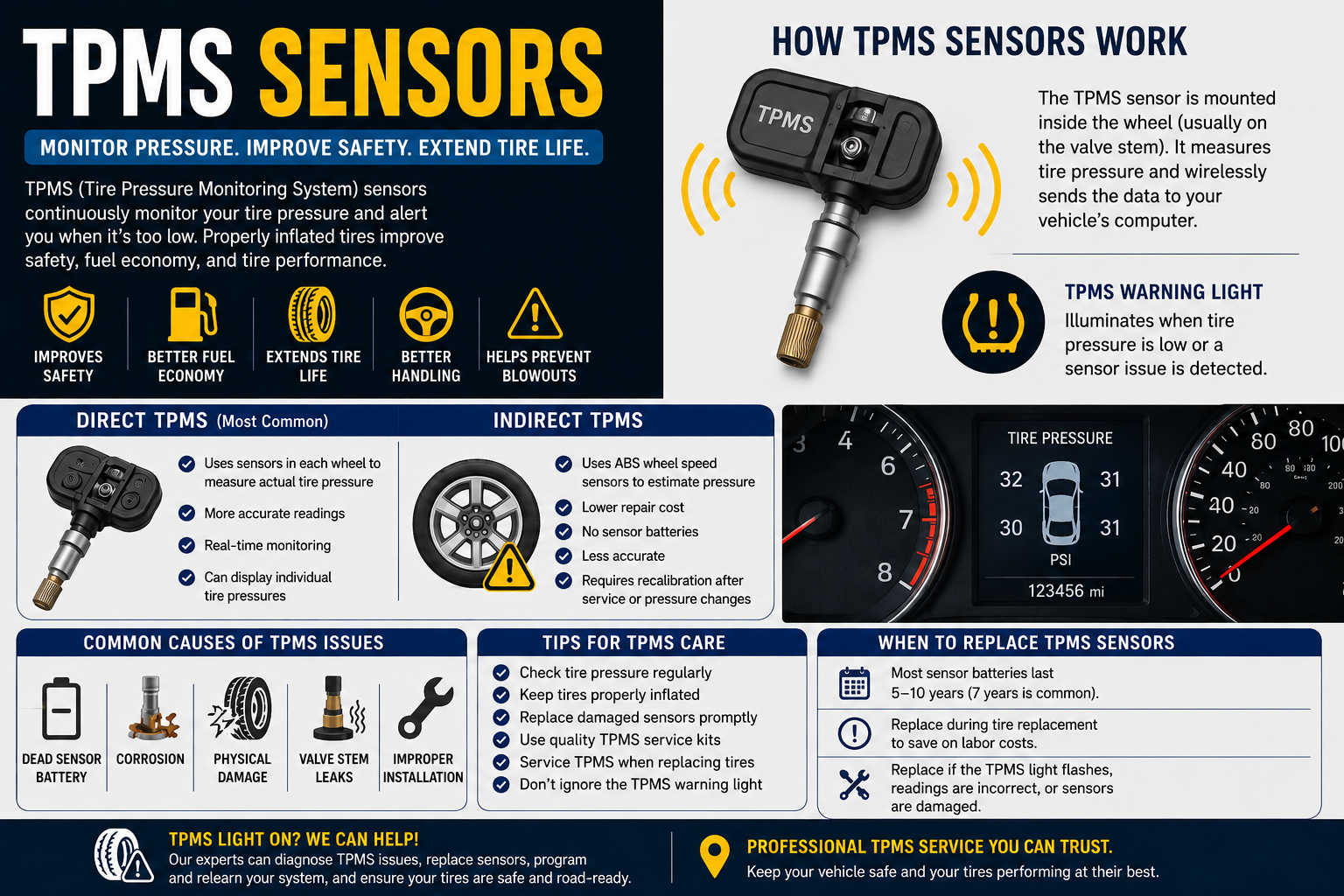
TPMS sensor infographic showing tire pressure monitoring and warning light info
By Andrew Whited May 6, 2026
Learn how TPMS sensors work, why tire pressure matters, common TPMS problems, and when to replace failing tire pressure sensors.
By Woodard's Smooth Ride April 19, 2026
Explore expert auto maintenance tips with Woodard's Smooth Ride in Portland, TN. Enhance your car's performance. Call us today!
By Woodard's Smooth Ride March 22, 2026
Discover expert alignment services in Portland, TN at Woodard's Smooth Ride. Ensure optimal vehicle performance and safety. Visit us today!
By Andrew Whited March 18, 2026
# Why Tire Rotations Matter (And How They Save You Money) When it comes to getting the most out of your tires, **regular tire rotations are one of the simplest—and most overlooked—maintenance services**. Most drivers don’t think about rotations until there’s a problem. By then, uneven wear has already shortened the life of the tires. Let’s break down what a tire rotation actually does—and why it matters. What Is a Tire Rotation? A tire rotation is the process of moving each tire to a different position on the vehicle . This is done to: Promote even tread wear Extend tire life Maintain proper handling and traction Different vehicles use different rotation patterns depending on: Front-wheel drive Rear-wheel drive All-wheel drive Tire type (directional vs non-directional) Why Tire Rotations Are So Important 1. Prevent Uneven Wear Your front tires do most of the work—steering, braking, and carrying engine weight. Because of that, they wear faster than the rear tires. Without rotation: Front tires wear out early Rear tires still have usable tread You end up replacing tires sooner than necessary 2. Extend Tire Life Routine rotations can add thousands of miles to your tires . That means: Fewer tire purchases Better return on your investment More consistent performance over time 3. Improve Safety Uneven tread = reduced traction. That can lead to: Poor braking performance Reduced wet-road grip Increased risk of hydroplaning Even wear keeps your vehicle stable and predictable. 4. Protect Your Suspension & Alignment Irregular wear patterns can indicate: Alignment issues Worn suspension components Regular rotations help catch these problems early—before they turn into expensive repairs. How Often Should You Rotate Your Tires? A good rule of thumb: 👉 Every 5,000–6,000 miles 👉 Or every oil change However, this can vary depending on: Driving habits Vehicle type Tire type If you’re unsure, your shop should track and recommend intervals for you. Signs You’re Overdue for a Rotation Watch for these indicators: Uneven tread wear (inside or outside edges) Vibration while driving Road noise increasing Vehicle pulling slightly to one side If you notice any of these, it’s time to get your tires checked. What Happens If You Skip Rotations? Skipping rotations can cost you—literally. You may experience: Premature tire replacement Reduced fuel efficiency Poor ride quality Voided tire warranties (many require documented rotations) Why Choose a Professional Rotation? At a professional shop, a tire rotation isn’t just moving tires around. It typically includes: Tire condition inspection Air pressure adjustment Tread depth measurement Visual check of suspension and steering components That extra layer of inspection is what helps prevent bigger issues down the road. Final Thoughts Tire rotations are one of the highest ROI services in vehicle maintenance. They’re quick, affordable, and can significantly extend the life of your tires—while keeping you safer on the road. Need a Tire Rotation? If you’re in the Portland, TN area, stop by Woodard’s Smooth Ride . We’ll make sure your tires wear evenly, ride smooth, and last as long as they should.
By Woodard's Smooth Ride February 23, 2026
Discover top brake repair and maintenance services at Woodard's Smooth Ride in Portland, TN. Drive safely with our expert team. Visit us today!
By Woodard's Smooth Ride January 30, 2026
Discover top-notch suspension services at Woodard's Smooth Ride in Portland, TN. Optimize your vehicle's performance today. Schedule an online appointment now!
More Posts