
How Often Should You Really Change Your Oil? Expert Insights from Woodard's Smooth Ride

August 15, 2024

When it comes to maintaining your vehicle, one of the most common and essential tasks is changing the oil. Yet, with so much conflicting advice out there, it’s no wonder drivers are often left scratching their heads. So, how often should you really change your oil? At Woodard's Smooth Ride in Portland, TN, we believe that understanding your vehicle's specific needs can make a world of difference in its performance and longevity.


The Traditional Rule: Every 3,000 Miles

For many years, the rule of thumb has been to change your oil every 3,000 miles. This advice was sound for older vehicles, which often required more frequent oil changes due to less advanced engine technologies. However, if you're still adhering strictly to this guideline, you might be changing your oil more often than necessary.


At Woodard's Smooth Ride, we often see customers who have been religiously following the 3,000-mile rule, even when their vehicle's manufacturer recommends a longer interval. While frequent oil changes don’t harm your vehicle, they can be an unnecessary expense and inconvenience.


Modern Engines: Extending Oil Change Intervals

Thanks to advancements in engine design and oil formulations, many modern vehicles can go much longer between oil changes. Today, it’s not uncommon to see recommendations for oil change intervals of 5,000, 7,500, or even 10,000 miles. Some synthetic oils can extend these intervals even further, offering protection for up to 15,000 miles.


We at Woodard's Smooth Ride in Portland, TN, always recommend checking your vehicle's owner’s manual for the manufacturer's specific guidelines. These recommendations take into account your engine's design, the type of oil used, and the driving conditions your vehicle typically faces.


Factors That Affect Oil Change Frequency

While manufacturer guidelines provide a good baseline, there are other factors that can influence how often you should change your oil:

  1. Driving Habits: If you frequently drive in stop-and-go traffic, make short trips, or tow heavy loads, your engine works harder, which can lead to faster oil degradation. In such cases, you might need to change your oil more frequently.
  2. Environmental Conditions: Extreme temperatures, dusty roads, and high humidity can also affect your oil's lifespan. For example, drivers in hot climates may need to change their oil more often than those in milder conditions.
  3. Type of Oil: The type of oil you use—conventional, synthetic blend, or full synthetic—can also determine your oil change interval. Synthetic oils, while more expensive, typically last longer and provide better protection for your engine.


At Woodard's Smooth Ride, we help our Portland, TN customers assess these factors to create a maintenance schedule that’s tailored to their specific needs.


The Importance of Regular Oil Changes

Regardless of the interval, regular oil changes are crucial to your vehicle's health. Oil lubricates the engine, reducing friction and wear on moving parts. Over time, however, oil breaks down and becomes contaminated with dirt, debris, and engine by-products, which can lead to increased engine wear and decreased performance.


Neglecting oil changes can result in sludge buildup, which can block oil passages and cause significant engine damage. In the worst-case scenario, it can lead to complete engine failure. That’s why it’s important to stay on top of your oil change schedule and consult with professionals like those at Woodard's Smooth Ride in Portland, TN, if you’re unsure.


How Woodard's Smooth Ride Can Help

At Woodard's Smooth Ride, we take the guesswork out of oil changes. Our experienced technicians understand the specific needs of your vehicle, taking into account the manufacturer’s recommendations, your driving habits, and the local environment in Portland, TN. We offer a range of oil change services, using high-quality oils that provide optimal protection and performance for your engine.


We also believe in educating our customers. During your visit, we’ll discuss your vehicle’s condition and recommend the best oil change interval for you. Plus, we’ll keep track of your service history, making it easy for you to stay on top of your vehicle’s maintenance.


Conclusion: Trust Woodard's Smooth Ride for Your Oil Change Needs

In summary, while the old 3,000-mile rule is still relevant for some, many vehicles today can go much longer between oil changes. By considering factors like driving habits, environmental conditions, and the type of oil used, you can determine the optimal oil change interval for your vehicle.


At Woodard's Smooth Ride in Portland, TN, we’re committed to helping you keep your vehicle running smoothly and efficiently. Whether you need an oil change, a tire rotation, or a full vehicle inspection, you can trust our team to provide expert care and advice.
By Woodard's Smooth Ride August 4, 2026
Get expert brake maintenance tips from Woodard's Smooth Ride in Portland, TN. Ensure safety and longevity. Schedule an online appointment now!
By Woodard's Smooth Ride July 12, 2026
Ensure your car's perfect alignment at Woodard's Smooth Ride in Portland, TN. Discover expert tips on wheel alignment. Visit us today!
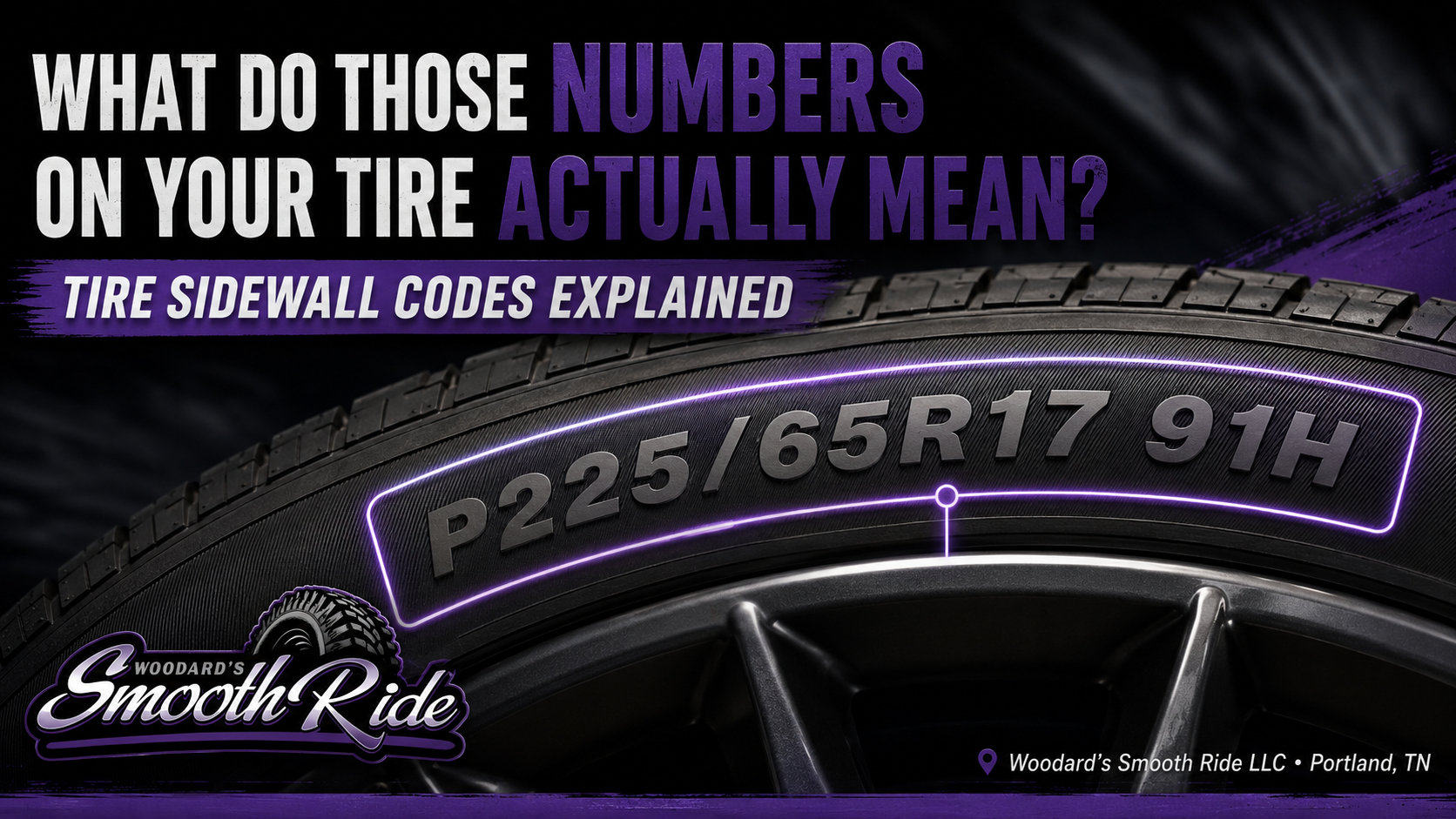
Tire sidewall code P225/65R17 91H explained by Woodard’s Smooth Ride in Portland, TN
By Andrew Whited June 16, 2026
Learn what tire numbers like P225/65R17 91H mean, including tire width, aspect ratio, load index, and speed rating. Woodard’s Smooth Ride in Portland, TN explains how to choose the right tire.
By Woodard's Smooth Ride June 14, 2026
Discover top suspension insights from Woodard's Smooth Ride in Portland, TN. Enhance your vehicle's performance with expert guidance. Visit us today!
By Woodard's Smooth Ride May 17, 2026
Discover expert tire insights at Woodard's Smooth Ride in Portland, TN. Offering top-notch tire services for a smooth drive. Schedule an online appointment now!
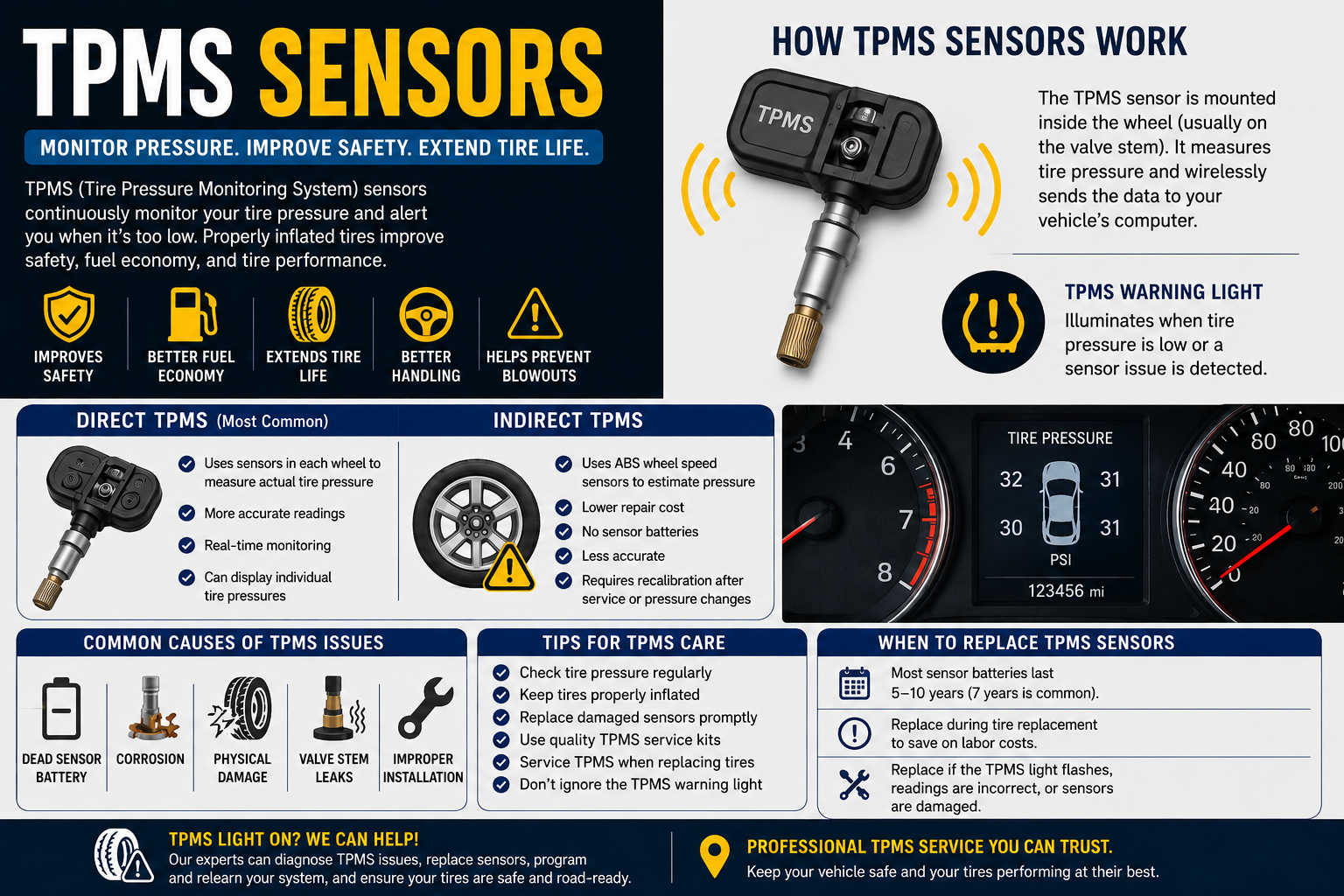
TPMS sensor infographic showing tire pressure monitoring and warning light info
By Andrew Whited May 6, 2026
Learn how TPMS sensors work, why tire pressure matters, common TPMS problems, and when to replace failing tire pressure sensors.
By Woodard's Smooth Ride April 19, 2026
Explore expert auto maintenance tips with Woodard's Smooth Ride in Portland, TN. Enhance your car's performance. Call us today!
By Woodard's Smooth Ride March 22, 2026
Discover expert alignment services in Portland, TN at Woodard's Smooth Ride. Ensure optimal vehicle performance and safety. Visit us today!
By Andrew Whited March 18, 2026
# Why Tire Rotations Matter (And How They Save You Money) When it comes to getting the most out of your tires, **regular tire rotations are one of the simplest—and most overlooked—maintenance services**. Most drivers don’t think about rotations until there’s a problem. By then, uneven wear has already shortened the life of the tires. Let’s break down what a tire rotation actually does—and why it matters. What Is a Tire Rotation? A tire rotation is the process of moving each tire to a different position on the vehicle . This is done to: Promote even tread wear Extend tire life Maintain proper handling and traction Different vehicles use different rotation patterns depending on: Front-wheel drive Rear-wheel drive All-wheel drive Tire type (directional vs non-directional) Why Tire Rotations Are So Important 1. Prevent Uneven Wear Your front tires do most of the work—steering, braking, and carrying engine weight. Because of that, they wear faster than the rear tires. Without rotation: Front tires wear out early Rear tires still have usable tread You end up replacing tires sooner than necessary 2. Extend Tire Life Routine rotations can add thousands of miles to your tires . That means: Fewer tire purchases Better return on your investment More consistent performance over time 3. Improve Safety Uneven tread = reduced traction. That can lead to: Poor braking performance Reduced wet-road grip Increased risk of hydroplaning Even wear keeps your vehicle stable and predictable. 4. Protect Your Suspension & Alignment Irregular wear patterns can indicate: Alignment issues Worn suspension components Regular rotations help catch these problems early—before they turn into expensive repairs. How Often Should You Rotate Your Tires? A good rule of thumb: πŸ‘‰ Every 5,000–6,000 miles πŸ‘‰ Or every oil change However, this can vary depending on: Driving habits Vehicle type Tire type If you’re unsure, your shop should track and recommend intervals for you. Signs You’re Overdue for a Rotation Watch for these indicators: Uneven tread wear (inside or outside edges) Vibration while driving Road noise increasing Vehicle pulling slightly to one side If you notice any of these, it’s time to get your tires checked. What Happens If You Skip Rotations? Skipping rotations can cost you—literally. You may experience: Premature tire replacement Reduced fuel efficiency Poor ride quality Voided tire warranties (many require documented rotations) Why Choose a Professional Rotation? At a professional shop, a tire rotation isn’t just moving tires around. It typically includes: Tire condition inspection Air pressure adjustment Tread depth measurement Visual check of suspension and steering components That extra layer of inspection is what helps prevent bigger issues down the road. Final Thoughts Tire rotations are one of the highest ROI services in vehicle maintenance. They’re quick, affordable, and can significantly extend the life of your tires—while keeping you safer on the road. Need a Tire Rotation? If you’re in the Portland, TN area, stop by Woodard’s Smooth Ride . We’ll make sure your tires wear evenly, ride smooth, and last as long as they should.
By Woodard's Smooth Ride February 23, 2026
Discover top brake repair and maintenance services at Woodard's Smooth Ride in Portland, TN. Drive safely with our expert team. Visit us today!
More Posts