
How to Check Tire Pressure and Why It’s Crucial for Safety
Andrew Whited • July 14, 2025
Stay Safe and Save Money With This Overlooked Maintenance Tip
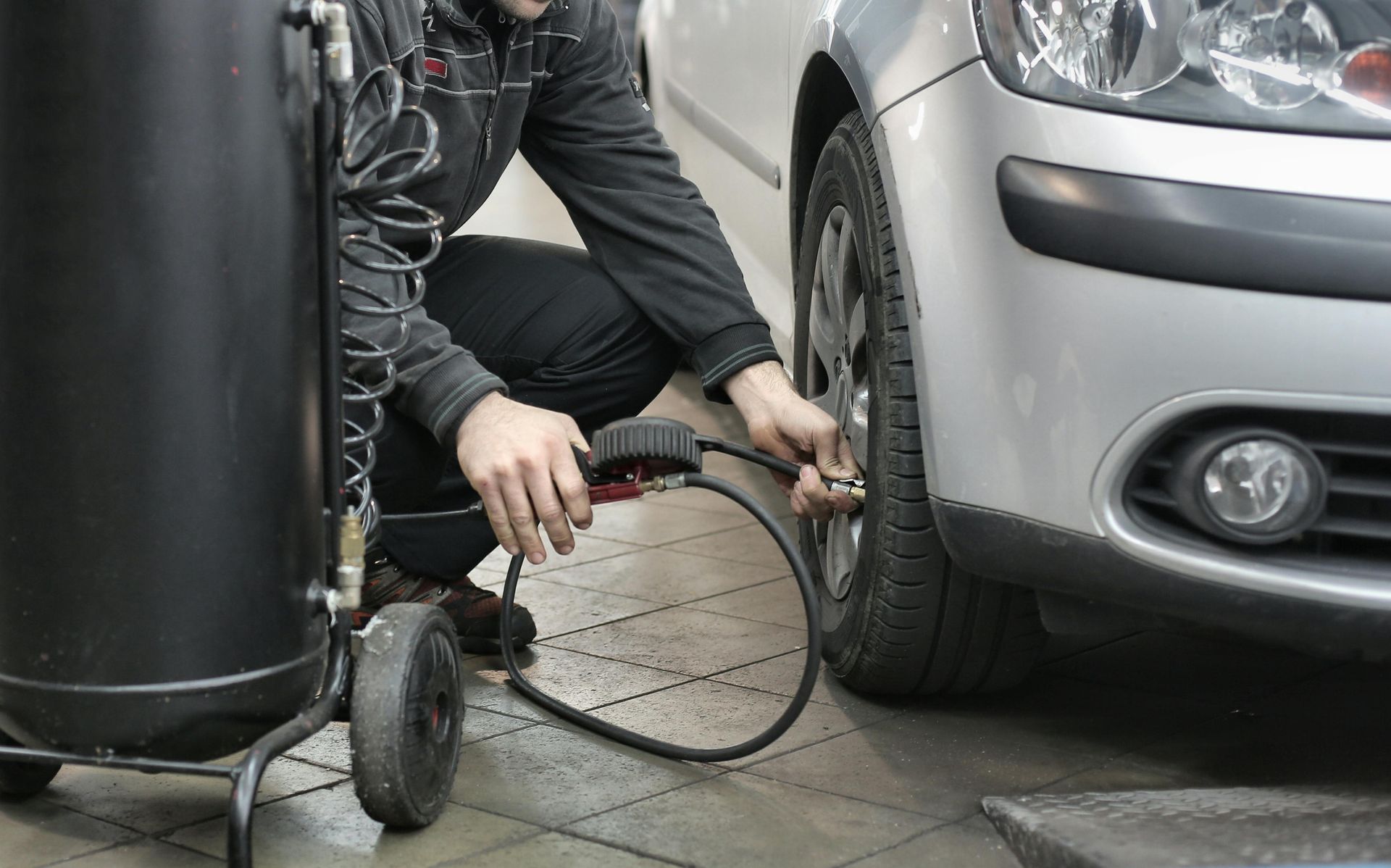
The Importance of Proper Tire Inflation: What Every Driver Should Know
When was the last time you checked your tire pressure? If you’re like most drivers, it’s probably been a while. But here’s the truth: proper tire inflation is one of the simplest — and most important — things you can do to protect your tires, your vehicle, and your wallet.
Why Tire Pressure Matters
Tires are designed to operate at a specific pressure — usually between 30 and 35 PSI (pounds per square inch) for most passenger vehicles. When tires are underinflated or overinflated, it affects everything from how your car handles to how much gas you burn.
Underinflated Tires:
- Cause uneven tread wear (especially on the edges)
- Reduce fuel economy
- Create more heat, increasing the risk of a blowout
- Reduce steering and braking performance
Overinflated Tires:
- Wear out the center tread more quickly
- Provide a rougher, noisier ride
- Decrease traction, especially in wet or slippery conditions
How to Check Tire Pressure
Checking your tire pressure only takes a few minutes. Here’s how:
- Find the recommended pressure — Look for the sticker inside your driver’s door or in your owner’s manual.
- Use a tire pressure gauge — Digital, dial, or stick gauges all work fine.
- Check tires when cold — Tire pressure rises as you drive, so check them before the car has been on the road.
- Add or release air as needed — Most gas stations have air pumps. Many tire shops (including ours) are happy to top them off for free.
When to Check Tire Pressure
- Once a month — Air naturally escapes over time, even without a leak.
- Before long road trips
- When seasons change — Cold air contracts, so you’ll lose pressure as temperatures drop.
TPMS Warning Light ≠ Maintenance-Free
Many newer vehicles have a Tire Pressure Monitoring System (TPMS), but don’t rely on it completely. TPMS usually only triggers when pressure is dangerously low — not when it’s a few PSI under. That’s why it’s still important to check manually.
What We Do at the Shop
At Woodard's Smooth Ride, we check tire pressures during every visit — whether you're in for a rotation, an oil change, or just a pit stop. We’ll make sure your tires are inflated properly and inspect them for any signs of damage, leaks, or uneven wear.
Discover expert suspension tips at Woodard's Smooth Ride in Portland, TN. Elevate your auto care with our skilled services. Schedule an appointment today!
Discover top tire choices at Woodard's Smooth Ride in Portland, TN. Maximize vehicle performance with our expert tips. Schedule an online appointment now!
Discover expert auto maintenance tips with Woodard's Smooth Ride in Portland, TN. Ensure your vehicle's longevity and safety. Visit us today!
Get expert brake maintenance tips from Woodard's Smooth Ride in Portland, TN. Ensure safety and longevity. Schedule an online appointment now!
Ensure your car's perfect alignment at Woodard's Smooth Ride in Portland, TN. Discover expert tips on wheel alignment. Visit us today!
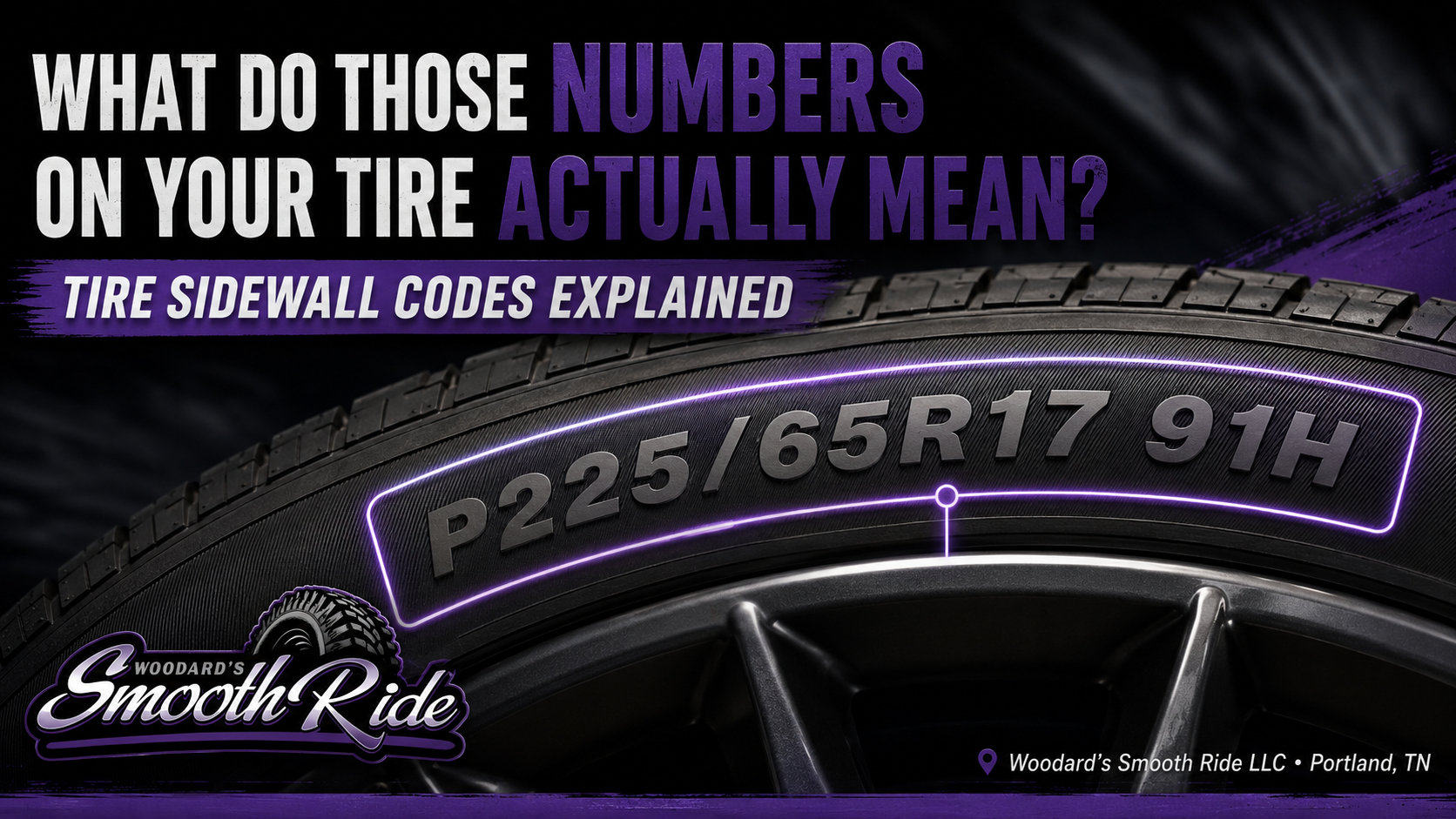
Learn what tire numbers like P225/65R17 91H mean, including tire width, aspect ratio, load index, and speed rating. Woodard’s Smooth Ride in Portland, TN explains how to choose the right tire.
Discover top suspension insights from Woodard's Smooth Ride in Portland, TN. Enhance your vehicle's performance with expert guidance. Visit us today!
Discover expert tire insights at Woodard's Smooth Ride in Portland, TN. Offering top-notch tire services for a smooth drive. Schedule an online appointment now!
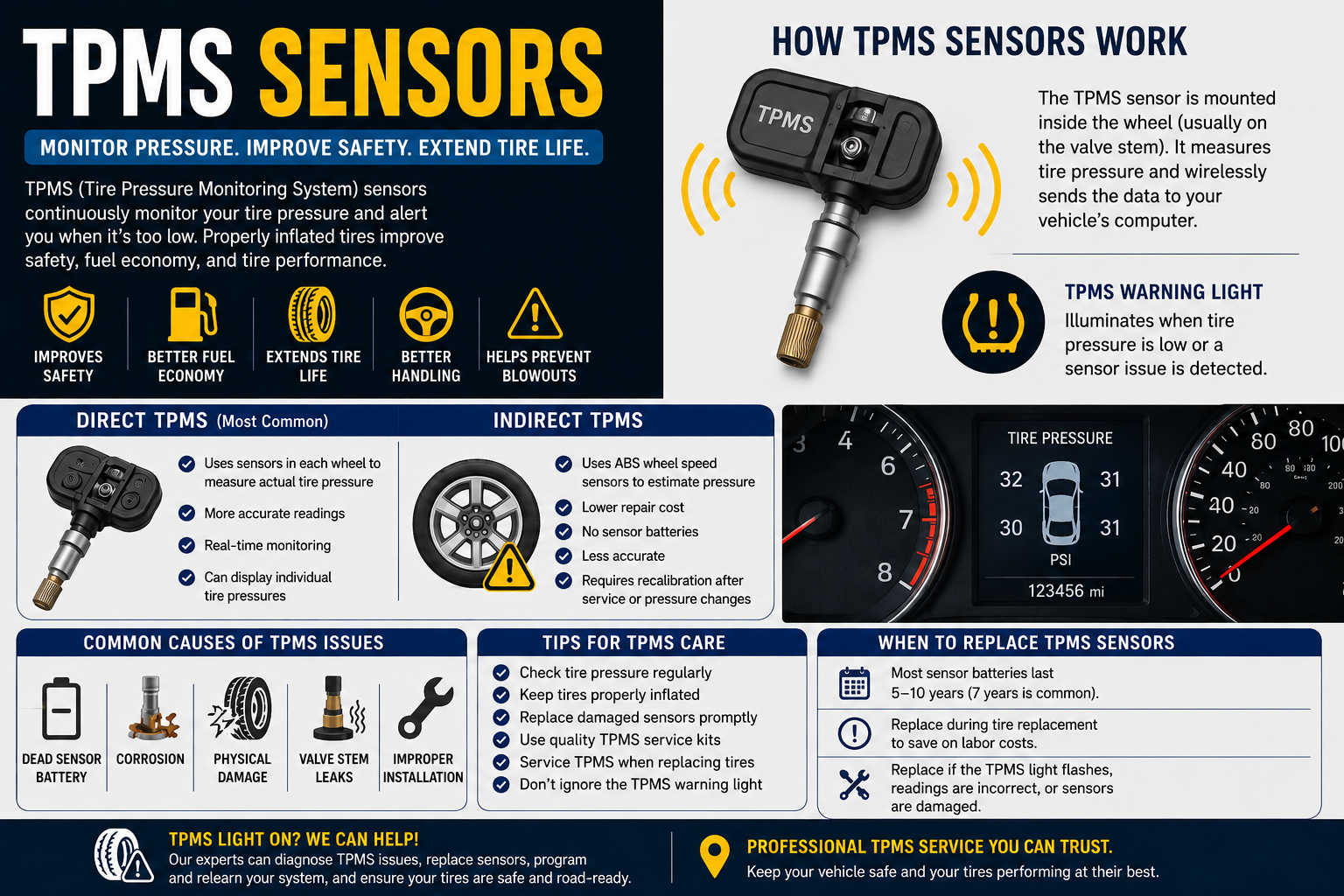
Learn how TPMS sensors work, why tire pressure matters, common TPMS problems, and when to replace failing tire pressure sensors.
Explore expert auto maintenance tips with Woodard's Smooth Ride in Portland, TN. Enhance your car's performance. Call us today!